
Supplemental Oxygen Requirements Calculator (14 CFR 91.211 and 135.89)
Enter cabin altitude and time to see the FAA's supplemental oxygen requirements under 14 CFR 91.211 or 135.89, plus the AIM's day and night recommendation.
Affiliate disclosure: product links on this page go to Amazon or to the maker's own store. As an Amazon Associate we earn from qualifying purchases, at no extra cost to you; links to makers' own stores earn us nothing. No retailer or brand sees our picks before they are published or has any say in them. How we choose.
Under 14 CFR 91.211, the required flight crew must use supplemental oxygen after 30 minutes at cabin altitudes above 12,500 feet up to 14,000 feet, and for the entire time above 14,000 feet; above 15,000 feet every occupant must be provided with oxygen. Charter pilots under 14 CFR 135.89 start sooner, at 10,000 feet. The FAA's Aeronautical Information Manual recommends going further still: oxygen above 10,000 feet by day and above 5,000 feet at night. Enter your flight below.
Do I need oxygen on this flight?
Regulations
Oxygen required
14 CFR 91.211
FAA's recommendation (AIM 8-1-2)
Use oxygen
The AIM encourages oxygen above 10,000 ft at day.
Required: Required crew
Must use oxygen for the part of the flight above 12,500 ft that runs past 30 minutes: about 45 of your 75 minutes.
14 CFR 91.211(a)(1)
Not required: Passengers
No oxygen requirement at or below 15,000 ft.
14 CFR 91.211(a)(3)
Rules from 14 CFR 91.211 and 135.89 as published on the Legal Information Institute's CFR pages, and the FAA's Aeronautical Information Manual 8-1-2. Cabin pressure altitude is the altitude the cabin is pressurized to; in an unpressurized airplane it is the altitude you are flying. This tool explains the rules; it is not a legal ruling for your operation.
How the calculator works
The calculator applies the rule text as published, by cabin pressure altitude. In an unpressurized airplane, cabin pressure altitude is the altitude you are flying; in a pressurized one, it is the altitude the cabin is pressurized to.
Part 91 (14 CFR 91.211)
| Cabin pressure altitude | Requirement | Paragraph |
|---|---|---|
| Above 12,500 ft up to and including 14,000 ft | Required minimum flight crew uses oxygen for the part of the flight at those altitudes that is more than 30 minutes | (a)(1) |
| Above 14,000 ft | Required minimum flight crew uses oxygen the entire time at those altitudes | (a)(2) |
| Above 15,000 ft | Each occupant is provided with oxygen | (a)(3) |
| Pressurized, above FL250 | At least a 10-minute supply for each occupant for a descent after loss of pressurization, in addition to the above | (b)(1)(i) |
| Pressurized, above FL350 | One pilot at the controls wears a sealed mask, unless at or below FL410 with two pilots who each have a quick-donning mask (on with one hand within 5 seconds) | (b)(1)(ii) |
Part 135 pilots (14 CFR 135.89)
| Condition | Requirement |
|---|---|
| Unpressurized, above 10,000 ft through 12,000 ft | Each pilot uses oxygen for the part of the flight at those altitudes that is more than 30 minutes |
| Unpressurized, above 12,000 ft | Each pilot uses oxygen continuously |
| Pressurized, cabin above 10,000 ft | The unpressurized rules apply |
| Pressurized, above 25,000 ft through 35,000 ft | Unless each pilot has a quick-donning mask, one pilot at the controls wears a sealed mask and each other pilot on duty has one connected and ready |
| Pressurized, above 35,000 ft | At least one pilot at the controls wears a sealed mask |
Part 135 passenger oxygen is set by 14 CFR 135.157, which the calculator does not cover.
The AIM's recommendation
AIM 8-1-2 says night vision deteriorates at cabin altitudes as low as 5,000 feet, that from 12,000 to 15,000 feet judgment, memory, alertness and coordination are impaired, and that pilot performance can seriously deteriorate within 15 minutes at 15,000 feet. For optimum protection, it encourages oxygen above 10,000 feet during the day and above 5,000 feet at night. The calculator shows that recommendation separately from the rule.
Worked examples
| Flight | Rule result | AIM |
|---|---|---|
| Part 91, 11,500 ft, 2 hours, day | Nothing required | Use oxygen |
| Part 91, 13,500 ft, 75 minutes | Crew uses oxygen for the last 45 minutes | Use oxygen |
| Part 91, 13,500 ft, 25 minutes | Nothing required yet | Use oxygen |
| Part 91, 16,000 ft | Crew uses oxygen above 14,000 ft; every occupant provided with it above 15,000 ft | Use oxygen |
| Part 91, 9,500 ft at night | Nothing required | Use oxygen |
| Part 135, 11,000 ft, 45 minutes | Each pilot uses oxygen for the last 15 minutes | Use oxygen |
Limits of this tool
- It explains the rule text; it is not a legal opinion for your operation, and operators may have stricter rules in their manuals.
- It does not cover Part 121, Part 91 subpart K or passenger rules under Part 135.
- Cabin altitude in a pressurized aircraft comes from the cabin altimeter or pressurization controller, not the flight altitude.
Need the equipment? See our portable oxygen and pulse oximeter guide. Carbon monoxide worsens hypoxia; see the CO detector guide.
Frequently asked questions
When is supplemental oxygen required for pilots?
Under 14 CFR 91.211, the required crew must use oxygen for the portion of flight beyond 30 minutes above 12,500 feet up to 14,000 feet cabin altitude, and the whole time above 14,000 feet. Above 15,000 feet every occupant must be provided with oxygen.
Do passengers need oxygen above 12,500 feet?
Not under Part 91 until 15,000 feet cabin altitude, when each occupant must be provided with oxygen. Providing it earlier is good practice.
What does the AIM recommend for oxygen?
AIM 8-1-2 encourages supplemental oxygen above 10,000 feet during the day and above 5,000 feet at night, for optimum protection.
What are the Part 135 oxygen rules?
Under 14 CFR 135.89, each pilot must use oxygen after 30 minutes above 10,000 feet through 12,000 feet, and continuously above 12,000 feet. Passenger oxygen is in 135.157.
Do pressurized aircraft need oxygen on board?
Under Part 91, above FL250 there must be at least a 10-minute supply for each occupant in case of a descent after loss of pressurization, and above FL350 one pilot must wear a mask unless the quick-donning exception applies.
Does the 30 minutes reset if I descend?
The rule counts the part of the flight at those altitudes that lasts more than 30 minutes. If your operation depends on how separate segments add up, check with the FAA or your operator; when in doubt, use oxygen.
Sources
- 14 CFR 91.211, Supplemental oxygen, Legal Information Institute
- 14 CFR 135.89, Pilot requirements: Use of oxygen, Legal Information Institute
- Aeronautical Information Manual, 8-1-2 Effects of Altitude, Federal Aviation Administration
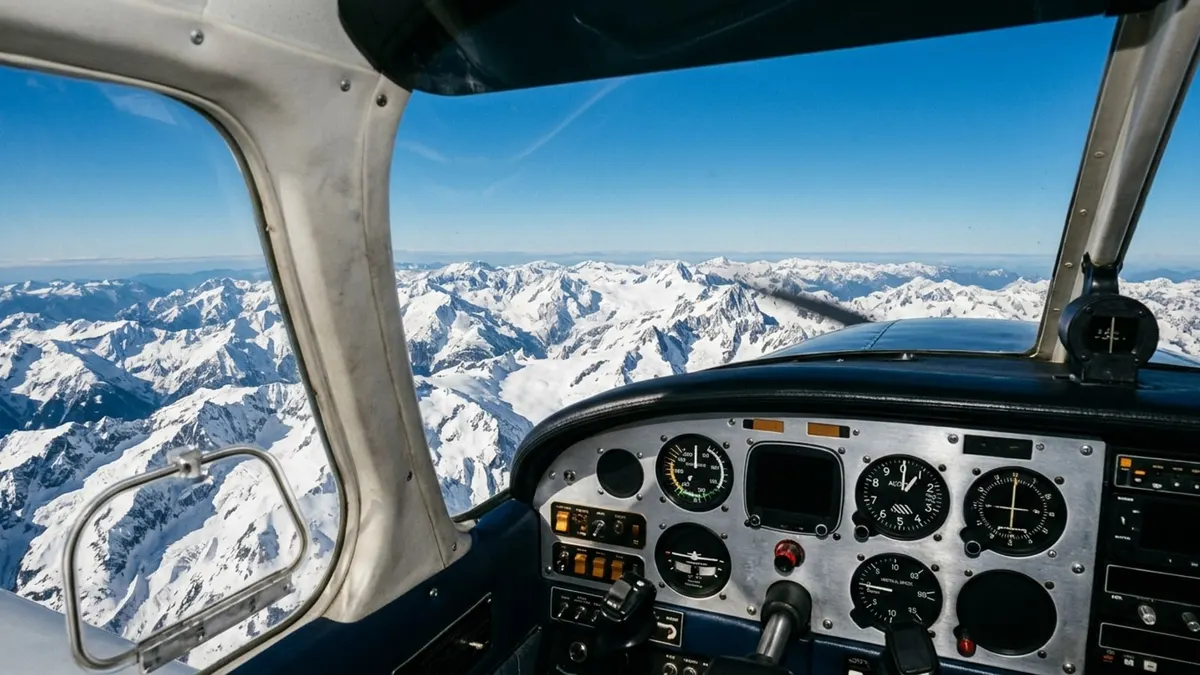
Cover image: Illustration: Aviation Gear Review (AI-generated)
Related guides
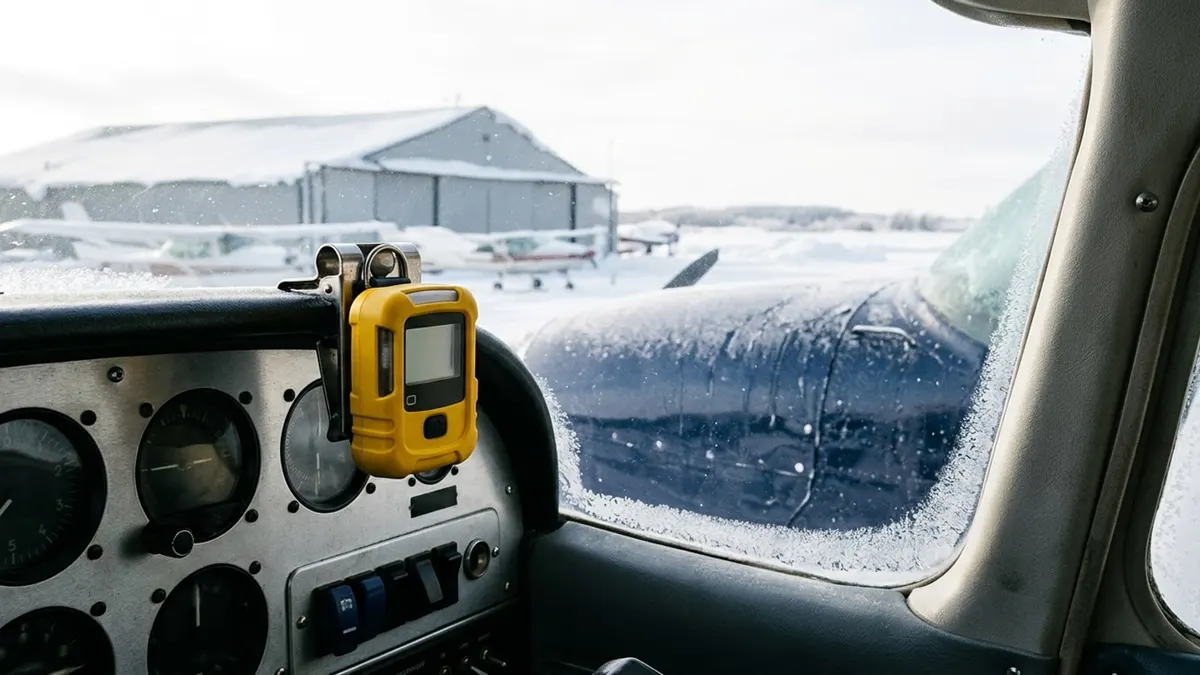
Best Carbon Monoxide Detectors for Aircraft (2026): Portable and Built-In
Why the NTSB wants a CO detector in every piston airplane, what kind of alarm it recommends, and five ways to carry one.
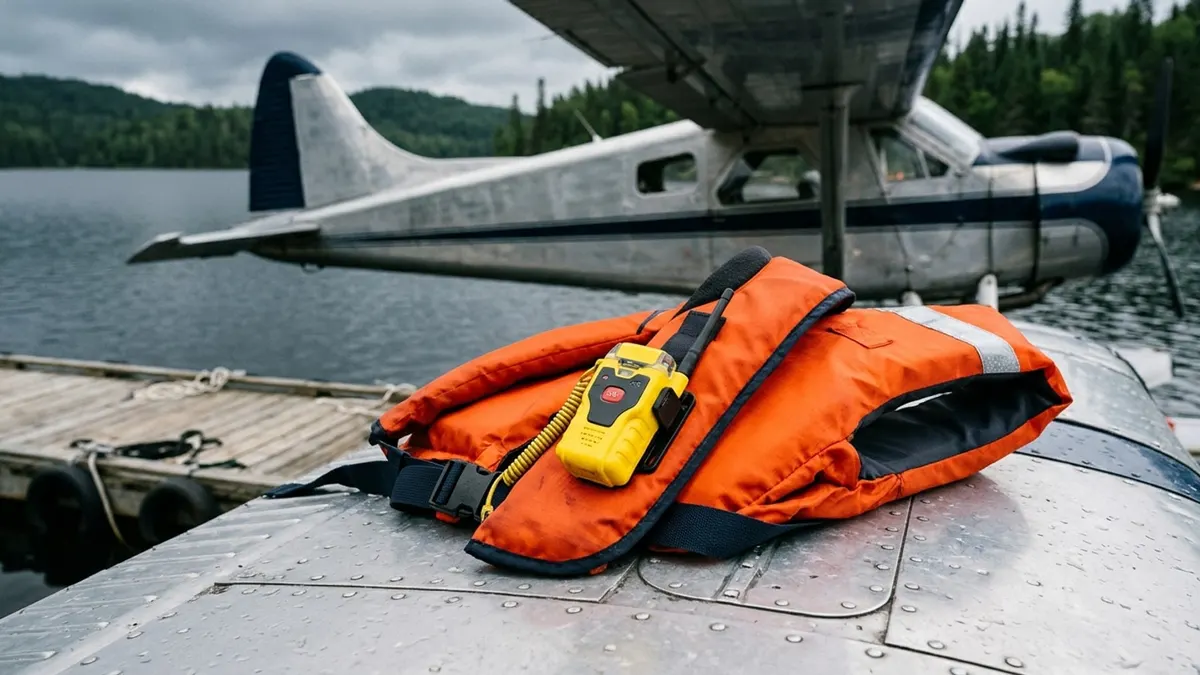
Best Personal Locator Beacons for Pilots (2026): ACR and Ocean Signal
A PLB in your pocket goes with you if you leave the airplane. Four 406 MHz beacons compared, and what the ELT rule does and does not cover.
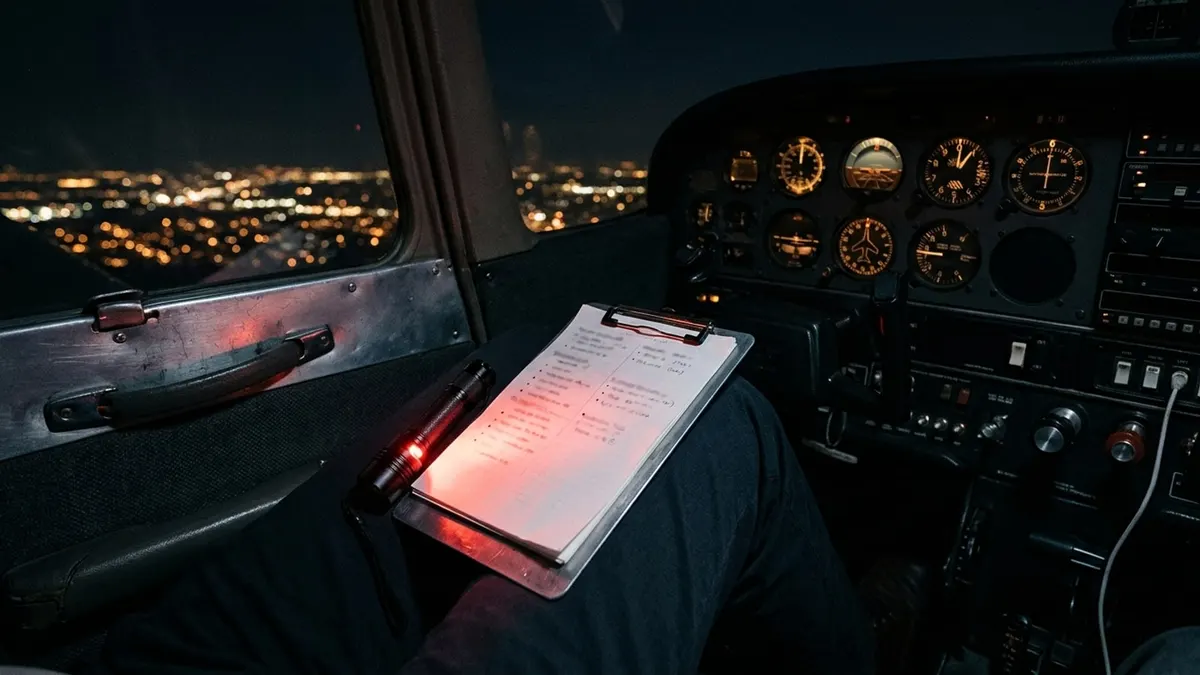
Best Red Flashlights and Headlamps for Pilots (2026)
Red light protects night vision but distorts chart colors, so the FAA says keep white light available too. Five lights that do both.