
Bose A20 vs A30: What Changed, and Is a Used A20 Still Worth Buying?
Bose A20 vs A30 compared on Bose's own specs: clamping force, ANR modes, weight, battery, Bluetooth and warranty, plus when a used A20 still makes sense.
Affiliate disclosure: product links on this page go to Amazon or to the maker's own store. As an Amazon Associate we earn from qualifying purchases, at no extra cost to you; links to makers' own stores earn us nothing. No retailer or brand sees our picks before they are published or has any say in them. How we choose.
Buy the Bose A30 if you are buying new: Bose stopped making the A20 in 2023, and the A30 is the one it sells, supports and certifies today. The A30 keeps the A20's 45-hour battery life and five-year warranty, and adds three selectable noise cancellation modes, 20% less clamping force, a cable and boom mic that move to either side without tools, and Bluetooth that can mix with or mute behind intercom audio.
A used A20 still makes sense for one buyer: a pilot who wants Bose noise cancellation for well under the A30's $1,299 list price and accepts a single ANR setting and an older, heavier clamp. This page compares the two on Bose's own owner's guide, brochure and press material, then covers what to check on a used A20.
The short answer
The A30 is an evolution, not a new kind of headset. Both are around-ear active noise reduction headsets that run on two AA batteries for 45 hours or more, both have optional Bluetooth, and both carry a five-year limited warranty. What Bose changed is comfort and control: the clamp, the center of gravity, the number of ANR modes and the way the cable and mic attach.
| Bose A20 | Bose A30 | |
|---|---|---|
| Status | Discontinued in 2023 | Current (launched March 28, 2023) |
| Noise cancellation | Active, one setting | Active, three user-selectable modes (low, medium, high) |
| Clamping force | Baseline | 20% less than the A20 |
| Weight (Bose figure) | 12 oz | 14.2 oz on head |
| Battery life (2 AA) | At least 45 hours | 45+ hours, 25+ with Bluetooth |
| Aircraft power option | Yes, 10 to 32 VDC | Yes, on aircraft-powered versions |
| Cable and mic | Not a listed feature | Side-swappable without tools |
| Warranty | Five years when new (per Bose dealers) | Five-year limited, excluding wear items |
| Price | Used or leftover stock only | $1,299 list (launched at $1,249) |
Comfort: less clamp, more weight on paper
The figure that surprises people is weight. Bose's A20 owner's guide lists the A20 at 12 ounces, and the A30 brochure lists 14.2 ounces on the head. Bose does not say the two were weighed the same way, so do not read too much into the gap, which is 2.2 ounces or about 18 percent of the A20's figure (our arithmetic from Bose's two numbers). What Bose does say is that the A30 has 20% less clamping force than the A20 and a shifted center of gravity, changes it made to reduce hot spots and fit more head sizes. On long flights, side pressure is usually what you feel, not two ounces.
The A30 also keeps a full around-ear cup. Lightspeed, which competes with it, argues the A30's thinner seals and narrower ear cavity can leak around glasses; if that matters to you, compare it with the Lightspeed Zulu 4 before buying either Bose.
Noise cancellation: one mode versus three
The A20 has one active noise reduction setting. The A30 was, in Bose's words at launch, the first around-ear headset with three user-selectable noise cancellation modes. Bose describes the low mode as one that lets you hold a conversation outside an intercom system (useful on the ramp and for instructors talking to students before engine start), medium as the most consistent reduction across a wide range of frequencies, and high as its strongest, aimed at radio communication.
Bose does not publish decibel attenuation figures for either headset, so there is no number to compare. Its A20 owner's guide does give the noise level the A20 is designed to cancel fully: up to 115 dBC SPL.
Battery, power and Bluetooth
Battery life is effectively unchanged: Bose rates the A20 at at least 45 hours in typical general aviation noise and the A30 at 45 hours or more, or 25 or more with Bluetooth running continuously. Both come in aircraft-powered versions (the A20 owner's guide lists 10 to 32 VDC). The A30 adds Bluetooth audio prioritization that can either mix Bluetooth with intercom audio or mute it temporarily during transmissions, and it can connect to two devices. It also has a bypass mode so primary intercom audio works with or without power, and it is FAA TSO and EASA E/TSO-C139a certified.
Cable, mic and plugs
On the A30, the down cable and boom mic move to either side of the headset with no tools, which matters if you fly from the right seat as an instructor or switch between airplanes and helicopters. The A30 is sold in dual plug, U-174, 6-pin LEMO and 5-pin XLR versions, and the A20 came in several plug versions too, so check the one you are buying; our plug guide shows which one your aircraft needs.
Should you buy a used A20?
Leftover new A20s still turn up from third-party sellers, sometimes priced like a new A30. That is the one A20 purchase we would avoid: you would pay more for the older design.
A used A20 is a different case. If one comes up at well under the A30's list price, from a seller who lets you check it, it still gives you Bose noise cancellation and the 45-hour battery life. Before you buy:
- Ask for the serial number and contact Bose aviation support to ask about remaining warranty and whether it still repairs that model.
- Check the cable along its whole length and at the control module; it is the part that takes the most flexing.
- Plan on new ear cushions and a mic cover. Bose's warranty has always excluded wear items like these.
- Make sure the plug matches your aircraft, or price in an adapter.
Who should buy which
- Buy the A30 if you are buying new, fly long legs, want adjustable ANR, or fly from either seat.
- Consider a used A20 if your budget tops out far below the A30, the seller is reputable, and you accept one ANR setting and a firmer clamp.
- Look at other brands if you wear glasses on every flight (the Zulu 4) or want ANR for about $500 new (the Rugged Air RA950 in our best aviation headsets guide).
Frequently asked questions
Is the Bose A20 discontinued?
Yes. Bose stopped making the A20 in 2023 and launched the A30 that March. New-old-stock A20s still turn up from third-party sellers, but Bose sells the A30 as its current around-ear headset.
Is the Bose A30 lighter than the A20?
Not on paper: Bose lists the A20 at 12 ounces and the A30 at 14.2 ounces on head. Bose says the A30 has 20% less clamping force and a shifted center of gravity, which is what makes it feel lighter on long flights.
Does the A30 cancel more noise than the A20?
Bose does not publish attenuation figures for either. The A30's difference is control: three ANR modes, including a low mode for talking outside the intercom, where the A20 has one.
Do the Bose A20 and A30 have the same battery life?
Nearly. Bose rates the A20 at at least 45 hours on two AA batteries and the A30 at 45 hours or more, or 25 hours or more with Bluetooth running continuously.
Can I use A20 accessories on an A30?
Do not assume so. The A30 has a new side-swappable cable and boom mic, and its ear cushions are different. Buy A30 parts listed for the A30.
What is the Bose A30 warranty?
Five years, limited, with worldwide coverage, per Bose's A30 brochure. It excludes wear items such as ear cushions, mic covers and headband cushions.
Sources
- Bose A20 Owner's Guide, Technical Information, Bose (via ManualsLib)
- Bose A30 Aviation Headset brochure, Bose
- Bose A30 Aviation Headset press release, Bose
- Bose A30 Aviation Headset (product page), Bose
- Bose A20 Aviation Headset with Bluetooth (discontinuation notice, archived December 2025), The Flight Store
- Zulu 4 vs Bose A30: Comfort, Clarity, Durability & Value, Lightspeed Aviation
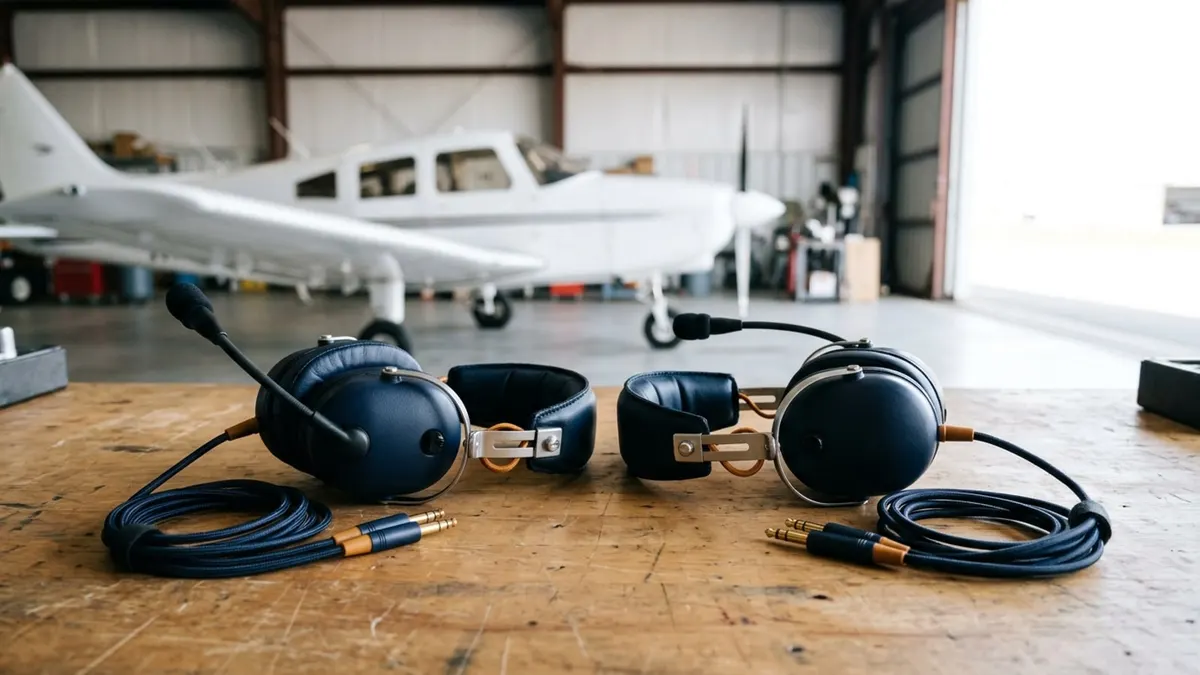
Cover image: Illustration: Aviation Gear Review (AI-generated)
Related guides
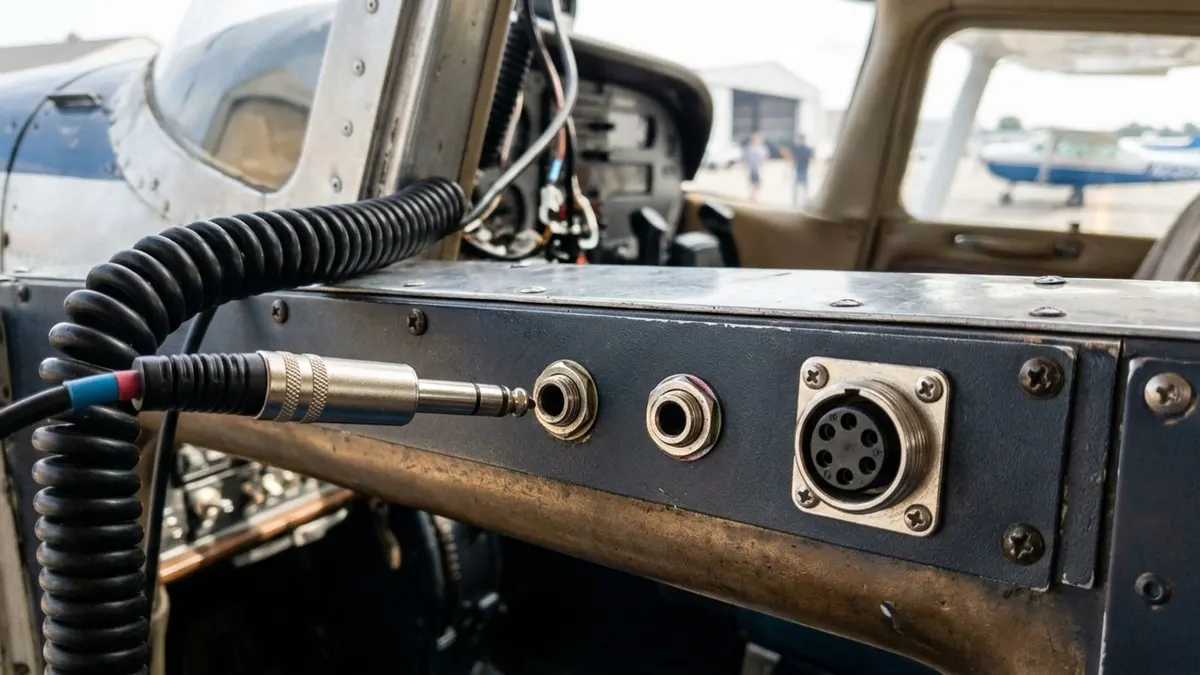
Aviation Headset Plugs: GA Dual, LEMO, U-174 and XLR, with an Adapter Finder
Pick your headset's plug and the aircraft's jacks; the finder says whether it plugs in, which adapter to use, and what happens to ANR power.
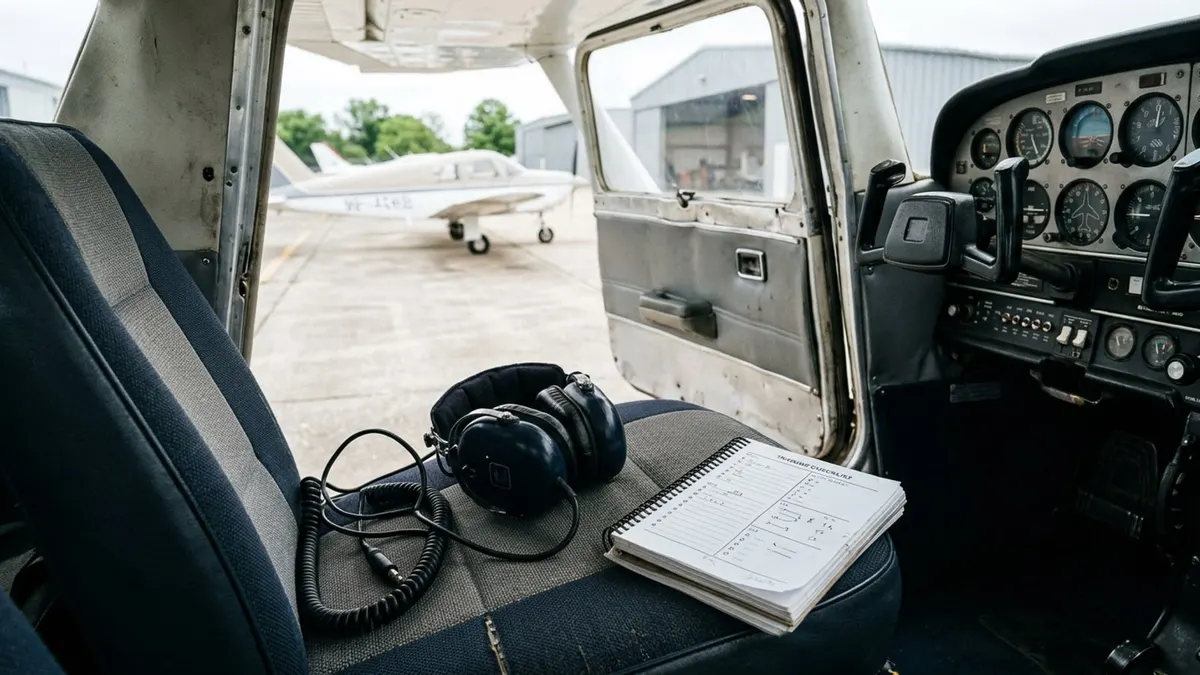
Best Aviation Headsets for Student Pilots (Budget to First ANR)
Passive headsets from Rugged Air, KORE, ASA and David Clark compared on noise reduction rating, weight and warranty, plus when an ANR set is worth it in training.
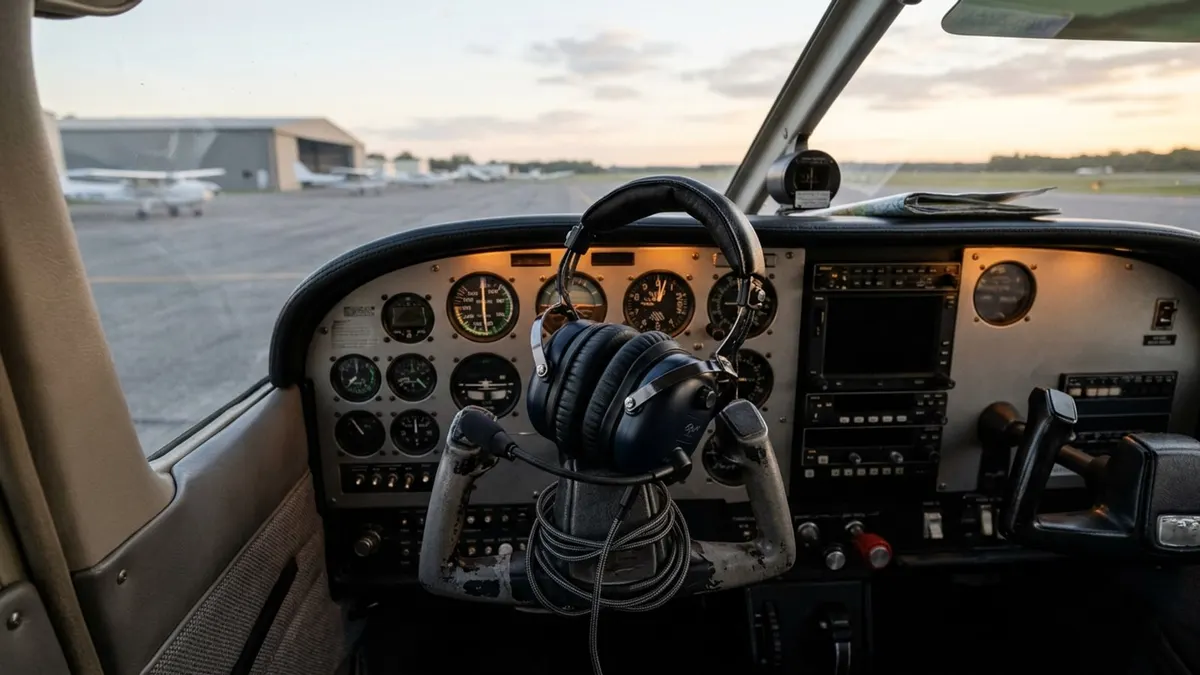
Best Aviation Headsets of 2026: ANR and Passive Picks for Pilots
Six headsets from $500 ANR to the $1,299 Bose A30, compared on weight, battery life, warranty and plug options from the makers' own data sheets.